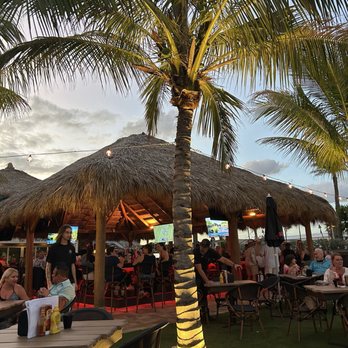
If you’ve been following Florida construction news, you may have heard about HB929 — a bill that has significant implications for anyone building or buying a tiki hut in the Sunshine State. Whether you’re a homeowner in Miami dreaming of a backyard paradise, a resort owner in Fort Lauderdale looking to add tropical charm, or a restaurant in West Palm Beach planning an outdoor dining area, understanding Florida HB929 and tiki hut construction is essential before you start your project.
What Is Florida HB929?
HB929 is a Florida House bill that directly addresses chickee hut construction — “chickee” being the traditional name for the open-sided, thatched-roof structures most people know as tiki huts. The bill formally exempts chickees constructed by members of the Miccosukee Tribe of Indians of Florida or the Seminole Tribe of Florida from the Florida Building Code.
This is a big deal. Under HB929, tiki huts built by certified Seminole or Miccosukee tribal members don’t need to go through the standard building code approval process that applies to other construction. The bill also prohibits local counties and municipalities from passing ordinances that would prevent tribal members from constructing these traditional structures. At the same time, HB929 includes important safety provisions — requiring fire-proofing measures approved by a certified fire protection system — and adds criminal penalties for non-tribal members who falsely claim this exemption.
Why the Seminole Exemption Matters for Your Tiki Hut Project
So what does Florida HB929 tiki hut construction law mean for you as a customer? It means that when you choose a Seminole-exempt builder like Big Kahuna Tiki Huts, you’re working with a company that has a unique legal standing in the state of Florida. Our Seminole-exempt status means we can build authentic chickee-style tiki huts using traditional methods and materials — hand-selected Florida native cypress poles and fresh-cut Florida palm fronds — without the bureaucratic delays and additional costs that come with standard building code permitting.
For homeowners in Boca Raton, business owners in Miami, and property managers across South Florida, this translates to faster project timelines, lower overall costs, and a finished product that’s built using centuries-old techniques perfected by the Seminole people. It’s not a shortcut — it’s a recognition that these traditional building methods have proven their worth through generations of Florida weather.
What HB929 Means for Commercial Tiki Hut Projects
Commercial projects benefit enormously from working with a Seminole-exempt tiki hut builder. Hotels, resorts, restaurants, HOA communities, and condo associations across Florida are adding tiki huts and tiki bars to enhance their outdoor spaces. Under HB929, commercial builds by qualified tribal builders can proceed with fewer permitting hurdles — which matters when you’re on a tight renovation schedule or trying to have your new poolside tiki bar ready for season.
Big Kahuna Tiki Huts has built for some of the biggest names in Florida hospitality — Ritz Carlton Hotels, Hyatt Resorts, Wyndham Resorts, and Crowne Plaza Hotels, to name a few. Our commercial clients in Fort Lauderdale, West Palm Beach, and throughout South Florida rely on our Seminole-exempt status to keep projects on schedule and on budget. Whether it’s a tiki village for a resort or a single tiki checkout counter for a beachside shop, the exemption under HB929 keeps the process smooth.
Fire Safety and Placement Requirements Under HB929
One common misconception is that the Seminole exemption means tiki huts have no safety standards. That’s not true. HB929 specifically requires that chickees implement fire-proofing measures approved by a certified fire protection system. At Big Kahuna Tiki Huts, fire safety has always been a core part of our construction process — long before HB929 formalized it.
The bill also sets clear placement requirements. A chickee can be placed in a side yard as long as it’s at least 10 feet from the property line, and it must be at least 10 feet away from any other structure. These straightforward rules make it easy to plan your tiki hut placement whether you’re in a spacious waterfront property in Miami or a cozy backyard in Boca Raton.
How to Make Sure Your Builder Is Legitimately Seminole-Exempt
HB929 includes criminal penalties for anyone who falsely claims the Seminole or Miccosukee exemption. This is an important protection for consumers. When you’re shopping for a tiki hut builder in Florida, you should always verify that the company you’re working with genuinely holds Seminole-exempt status. Unfortunately, some builders claim exemptions they don’t have, which can leave you with a structure that doesn’t meet code and potential legal headaches down the road.
Big Kahuna Tiki Huts is proudly Seminole-exempt, fully insured, and has been serving all of Florida for many years. We’re transparent about our credentials because we know they matter. When you see “Seminole Exempt” on our website and marketing materials, it’s backed by the real thing — and by Florida law under HB929.
Choosing the Right Tiki Hut Builder in the HB929 Era
Understanding Florida HB929 tiki hut construction regulations puts you in a stronger position as a buyer. You know to look for legitimate Seminole-exempt builders. You know that fire safety and placement rules still apply. And you know that working with a qualified builder can save you time and money on permitting.
At Big Kahuna Tiki Huts, we build custom tiki huts, tiki bars, tiki breezeways, tiki awnings, and more for residential and commercial clients across Florida — from Miami and Fort Lauderdale to West Palm Beach, Boca Raton, and everywhere in between. Every structure is custom-built using Florida cypress poles hewn to a smooth blonde finish and topped with fresh-cut Florida palm fronds that are wind and rain resistant.
Ready to start your tiki hut project with a builder you can trust? Get a free quote from Big Kahuna Tiki Huts today and let our team help you design the tropical outdoor space you’ve been dreaming of. Check out our portfolio to see some of the incredible custom work we’ve done for homeowners and businesses all across the Sunshine State.
Florida’s restaurant industry generates $77.6 billion in annual sales across nearly 50,000 establishments. In a market that competitive, standing out isn’t optional — it’s survival. And one of the most powerful ways Florida restaurant owners are differentiating their properties right now is by adding a custom commercial tiki bar.
A well-built tiki bar doesn’t just look great. It expands your seating capacity, creates a dedicated outdoor revenue center, drives social media exposure, and gives guests a reason to choose you over the place down the street. Research from the Simons Advisory Group found that adding outdoor dining space can increase a restaurant’s revenue by up to 30% — and in Florida, where year-round outdoor weather is a built-in advantage, that return is even more accessible.
But building a commercial tiki bar is not the same as throwing up a backyard structure. There are permits to navigate, health code requirements to meet, structural specifications to hit, and licensing credentials that matter. This guide covers everything Florida restaurant owners need to know before they build.
Why Florida Restaurants Are Investing in Commercial Tiki Bars
Florida’s climate is a permanent competitive advantage for restaurant owners. Unlike operators in northern states who squeeze revenue out of a few warm months, Florida restaurants can run a productive outdoor tiki bar 12 months a year. That makes the return on investment fundamentally different here than anywhere else in the country.
The numbers back this up. Industry data consistently shows that outdoor seating drives measurable business results:
Up to 30% revenue increase reported by restaurants that add outdoor dining space (Simons Advisory Group)
~50% of every incremental dollar sold on a patio flows toward the bottom line, according to hospitality consultant David Hopkins of The Fifteen Group
70% of diners say they are willing to wait longer for outdoor seating (Toast survey)
74% of diners use social media to decide where to eat — and a tiki bar is one of the most photographable things you can put in front of them
In Florida specifically, a tiki bar does something no generic patio furniture can: it creates a sense of place. It signals to passing guests that this restaurant offers something beyond the ordinary — a destination experience rooted in Florida’s tropical identity.
“Guests no longer see outdoor dining as a seasonal perk. They see it as part of the brand experience — and restaurants that elevate that experience are the ones thriving.” — SuperiorSeating.com, 2025 Outdoor Dining Trends Report
5 Things Florida Restaurant Owners Must Know Before Building a Tiki Bar
1. Commercial Builds Require Commercial Permits — and a Licensed Builder
This is the most important thing to understand before you hire anyone. A commercial tiki bar installation in Florida requires commercial building permits, and the builder you hire must hold a valid Florida contractor’s license. Unlicensed construction on a commercial property can result in stop-work orders, fines, forced demolition, and — critically — insurance complications that can expose your business to serious liability.
Big Kahuna Tiki Huts holds Florida Contractors License #CBC1259971 and is fully insured for commercial work. We handle the entire permit process for our restaurant clients, including site plans, engineering documentation, and county submissions.
2. Health Department Requirements Affect Your Bar Design
If your tiki bar will serve food or beverages — which is the whole point — your local health department has a say in how it’s built. Sink cut-outs, drainage, handwashing station placement, and surface materials all factor into health code compliance. These requirements vary by county across Florida, and getting them wrong means costly retrofits before you can open.
When we work with restaurant clients, we build these requirements directly into the design from the start. Our tiki bars can include:
Cut-outs for commercial sinks and handwashing stations
Waterproof and food-safe counter surfaces
Integrated drainage channels in the bar countertop
Electrical rough-ins for blenders, refrigerators, and lighting
Appropriate clearances for health inspector access
3. Wind Load Engineering Is Non-Negotiable in Florida
Florida’s building codes include some of the most rigorous wind load requirements in the country — and for good reason. Your tiki bar needs to be engineered to meet the specific wind speed requirements for your county, particularly if you’re in a coastal zone. A structure that isn’t properly engineered is a liability risk in storm season and can fail a county inspection.
All Big Kahuna commercial builds are engineered to meet Florida’s county-specific wind load requirements. We provide full architectural drawings and 3D renderings so you know exactly what you’re getting before construction begins.
4. The Seminole Exemption Can Save You Time and Money
Florida law provides a building permit exemption for Chickee huts — traditional Seminole-style thatched structures — when built by a licensed Seminole contractor or under specific conditions recognized by the state. As a Seminole Exempt builder, Big Kahuna Tiki Huts can often construct tiki huts and tiki bars for commercial clients without the full standard permitting process, significantly reducing approval timelines and associated costs.
This exemption is one of the most misunderstood advantages available to Florida restaurant owners when choosing a tiki hut builder. Ask any builder you’re evaluating whether they qualify for this exemption — and get it in writing if they say yes.
5. Material Choice Affects Longevity, Insurance, and Maintenance Costs
Not all tiki bars are built to last the same. The materials your builder uses — and how they’re sourced and treated — will determine how long your investment holds up against Florida’s combination of UV exposure, humidity, salt air, and storm seasons.
Big Kahuna builds commercial tiki bars using:
Hand-selected Florida native cypress poles, hewn to a smooth finish for structural integrity and weather resistance
Fresh-cut Florida palm fronds for the thatched roof, which provide natural heat ventilation and wind resistance
Bamboo or cypress bar fronts, with options for carved custom designs
Half-round cypress countertops, drink rails, and foot rests built to commercial-use standards
We also offer a full rethatching and maintenance program, so your tiki bar looks and performs at its best year after year — without you having to source a new contractor every few years.
What a Custom Commercial Tiki Bar Can Look Like for Your Restaurant
No two Big Kahuna commercial tiki bars are alike. We work directly with restaurant owners and managers to design a structure that fits the space, matches the brand aesthetic, and meets operational needs. Here’s a sample of what we can configure:
Bar Feature
What It Does for Your Operation
Custom bar length and shape
Fits your footprint exactly — no wasted space or awkward corners
Sink and handwashing cut-outs
Built to Florida health department specs from day one
Bamboo or cypress bar front
Sets the tone — authentic tropical look that photographs beautifully
Drink rail and foot rest
Keeps guests comfortable and at the bar longer
Overhead tiki hut structure
Provides shade, defines the space, and becomes the visual anchor of your outdoor area
Custom cypress post carving
Brand-level detail — your logo, local imagery, or decorative motifs carved by our master craftsman
Thatched roof with natural palm fronds
Natural heat venting keeps the space cool — no AC needed
Integrated electrical rough-ins
Blenders, refrigerators, lighting, and sound ready to go from day one
Rethatching maintenance plan
Keeps your investment looking fresh for years without scrambling for a contractor
Understanding the Return on Investment for Restaurant Owners
Restaurant operators run on thin margins — full-service restaurants average around 9.8% net profit margin in 2025. Every capital investment needs to earn its place. So how does a commercial tiki bar pencil out?
Consider what a well-positioned tiki bar adds:
Outdoor seating expands your capacity without adding to your square footage lease. More seats = more revenue per service. Additional covers
Research shows that 43% of millennials are more likely to spend more on alcohol when seated outdoors. A tiki bar reinforces that impulse. Higher beverage spend
A defined outdoor space becomes a rentable venue for birthdays, corporate events, and private parties — revenue you wouldn’t otherwise capture. Private event bookings
Guests in an engaging outdoor environment stay longer, order more rounds, and tip more generously. Longer dwell time
A tiki bar gets photographed and posted to social media constantly. That’s free reach to new potential guests — and 74% of diners use social media to decide where to eat. Organic marketing
Industry research consistently shows that roughly 50 cents of every incremental outdoor dollar flows straight to the bottom line — making an outdoor tiki bar one of the highest-margin investments a Florida restaurant can make.
Pre-Build Checklist: Questions to Ask Any Commercial Tiki Bar Builder
Before signing a contract with any builder, run through this checklist. A reputable commercial tiki bar builder should be able to answer every question without hesitation.
Question to Ask
What a Good Answer Looks Like
Are you licensed for commercial work in Florida?
They should provide a valid Florida CBC or CGC contractor license number on request. Ours is #CBC1259971.
Are you fully insured?
Ask for a certificate of insurance naming your restaurant as additionally insured during the build.
Do you qualify for the Seminole exemption?
If yes, this can save significant permitting time and cost. Get confirmation in writing.
Will you handle the permits?
A professional commercial builder handles permits — you shouldn’t be filing paperwork yourself.
Can you meet our health department requirements?
They should ask for your county and be familiar with local health code specs for outdoor bars.
Do you provide architectural drawings?
Commercial builds require proper documentation. 3D renderings are a bonus that protects both parties.
What maintenance do you offer post-build?
Ask specifically about rethatching frequency and what a maintenance visit includes.
Can we see similar commercial restaurant builds?
Any established builder should have a portfolio of comparable commercial projects to show you.
Frequently Asked Questions
How long does it take to build a commercial tiki bar?
Most restaurant tiki bar projects are completed within 3 to 7 business days, depending on size and complexity. We provide a firm project timeline during your free consultation so you can plan around your service schedule.
Do I need to close my restaurant during construction?
In most cases, no. We work with restaurant owners to schedule construction during off-hours or low-traffic periods to minimize disruption to your operation. The specifics depend on your layout and local access requirements.
Can you build a tiki bar that matches our restaurant’s branding?
Yes. We offer custom carved cypress posts, custom bar configurations, branded color treatments, and full 3D architectural rendering so every detail is aligned with your identity before a single post goes in the ground.
How often does the thatched roof need to be replaced?
For a commercial restaurant environment with daily use, we generally recommend rethatching every 3 to 5 years. We offer a scheduled maintenance program so you’re never caught off guard.
What Florida counties do you serve?
We serve all of Florida, with offices in several cities across the state. Whether you’re in Miami, Tampa, Naples, Orlando, Jacksonville, or anywhere in between, our team can reach you.
Can you upgrade or expand an existing tiki bar?
Absolutely. If you have an existing structure that needs rethatching, structural repairs, a bar addition, or a full redesign, we handle all of it. Call us for a free assessment.
Ready to Make Your Restaurant Stand Out?
Big Kahuna Tiki Huts has been building custom commercial tiki bars for Florida restaurants, resorts, hotels, and waterfront venues for many years. Every build is fully licensed, fully insured, and custom-designed to fit your space, your operation, and your brand.
If you’re a restaurant owner ready to explore what a commercial tiki bar could do for your business, we’ll come to you — take a look at your space, understand your operation, and put together a free quote.
Call us today: 1-877-249-4038
Request a free quote: palmhuts.com
FL Contractors License #CBC1259971 | Fully Licensed & Insured | Seminole Exempt | Serving All of Florida
Best Tiki Bar Accessories for Entertaining in Florida
Best Tiki Bar Accessories for Entertaining
Quick Answer
Transform your outdoor space into a tropical paradise with the best tiki bar accessories. Whether you’re in Naples, Marco Island, Estero, or Ave Maria, these must-have items will ensure your tiki bar is the ultimate entertaining spot. From lighting to seating, we’ve got you covered.
Essential Tiki Bar Accessories
Lighting
Setting the right ambiance is crucial for any tiki bar. Consider adding string lights, tiki torches, or LED lanterns to create a warm, inviting atmosphere. These options not only enhance the aesthetic but also provide functional lighting for evening gatherings.
Seating and Comfort
Your guests will appreciate comfortable seating options. Bamboo or rattan bar stools and lounge chairs are ideal choices. For an authentic touch, consider sourcing your seating from local experts like Big Kahuna Tiki Huts, known for their quality craftsmanship in the Florida area.
Decor and Barware
Tropical Decor
Enhance your tiki bar with tropical decor items such as palm fronds, seashells, and colorful tiki masks. These elements can be sourced locally or through online platforms like palmhuts.com, which offer a variety of tiki-themed accessories perfect for your space in Estero or Marco Island.
Barware Essentials
No tiki bar is complete without the right barware. Stock up on tiki mugs, cocktail shakers, and swizzle sticks to serve up your favorite tropical drinks. Consider personalized options to add a unique touch to your Naples or Ave Maria tiki bar.
FAQs
What are the best materials for outdoor tiki bar furniture?
Bamboo and rattan are popular choices due to their durability and tropical aesthetic. Both materials are perfect for withstanding the Florida climate.
How can I weatherproof my tiki bar accessories?
Consider using weather-resistant finishes and coverings for furniture. Regular maintenance and proper storage during harsh weather can also extend the life of your accessories.
Where can I find unique tiki bar decor in Florida?
Local businesses like Big Kahuna Tiki Huts and online resources such as palmhuts.com offer a wide range of unique and authentic tiki bar decor options.
What lighting options are best for a tiki bar?
LED lanterns, string lights, and tiki torches are excellent choices for creating a cozy, inviting atmosphere in your outdoor tiki bar.
Transform your small backyard into a tropical paradise with compact tiki hut designs tailored for Florida’s unique environment. Whether you reside in Port St. Lucie, Stuart, Vero Beach, or Fort Pierce, discover how to maximize your outdoor space with a cozy, stylish tiki hut.
Creating the Perfect Tiki Hut for Your Small Backyard
When space is limited, creativity is key. Tiki huts can be customized to fit any backyard size, offering shade and a touch of tropical flair. Companies like Big Kahuna Tiki Huts and resources from palmhuts.com provide valuable insights and services for crafting the ideal tiki oasis.
Compact Designs: Opt for a smaller footprint with a circular or square base. These shapes allow for efficient use of space and provide an intimate setting.
Multi-Functional Use: Incorporate seating or a small bar area under your tiki hut to maximize utility.
Natural Materials: Use authentic materials such as palm thatch or bamboo to blend with Florida’s natural aesthetics.
Incorporating Local Flair in Port St. Lucie, Stuart, Vero Beach, and Fort Pierce
Each of these beautiful Florida locations offers unique inspirations for your tiki hut design. Whether you want to reflect the vibrant community of Port St. Lucie or the serene beaches of Vero Beach, your tiki hut can be a personalized reflection of local culture.
Port St. Lucie: Consider vibrant colors and floral decor to echo the lively community spirit.
Stuart: Embrace nautical themes with rope accents and marine-inspired accessories.
Vero Beach: Use minimalistic designs with lush greenery to complement the beach vibe.
Fort Pierce: Integrate historical elements or rustic finishes to pay homage to the area’s rich history.
FAQs About Small Backyard Tiki Huts in Florida
What materials are best for building a tiki hut in Florida?
Palm thatch and bamboo are ideal due to their durability and natural appearance, perfectly suited for Florida’s climate.
How do I maintain my tiki hut in the Florida weather?
Regular maintenance involves checking for wear and tear, especially after storms, and applying protective coatings to preserve materials.
Can a tiki hut increase the value of my property?
Yes, a well-designed tiki hut can enhance outdoor living spaces, potentially increasing property value by adding unique charm and functionality.
Where can I find local tiki hut builders?
Companies like Big Kahuna Tiki Huts specialize in custom tiki hut designs across Florida. Visit palmhuts.com for more resources and local builder recommendations.
When guests book a Florida resort, they’re not just paying for a room — they’re paying for an experience. And few amenities deliver that tropical experience more powerfully than a custom-built commercial tiki hut. From poolside cabanas at luxury beachfront properties to open-air tiki bars at boutique hotels, commercial tiki huts have become a defining feature of Florida’s hospitality landscape.
At Big Kahuna Tiki Huts, we’ve built commercial tiki structures for some of Florida’s most recognizable names in hospitality — including Ritz Carlton Hotels, Hyatt Resorts, Turnberry Isle Resorts, Wyndham Resorts, and Crowne Plaza Hotels. In this guide, we’ll walk you through exactly how hotels and resorts use tiki huts to drive guest satisfaction and generate measurable revenue.
Why Outdoor Amenities Matter More Than Ever for Florida Hotels
The competition for hotel guests in Florida has never been more intense. With average daily rates (ADR) for Florida hotels sitting at $196.41 in Q2 2025 and RevPAR climbing year-over-year, properties need every edge they can find to justify premium pricing and maintain occupancy.
Research consistently shows that outdoor amenities are a key driver of guest satisfaction and repeat bookings. According to Cornell University research, hotels that raise their online reputation score by just one point can increase room rates by 11.2% without losing occupancy — and outdoor experiences are one of the fastest ways to generate those positive reviews.
“Enticing guests to dine on-property is a huge revenue booster — and guests reward you by sharing photos of your space on social media.” — Tuuci Hospitality Research
For Florida properties specifically, the outdoor environment is a year-round selling point. A well-designed commercial tiki hut transforms underutilized poolside or garden space into a revenue-generating amenity that guests photograph, share, and return for.
5 Ways Commercial Tiki Huts Generate Revenue for Hotel Properties
Outdoor Food & Beverage Revenue
A commercial tiki bar positioned near the pool or beachfront becomes a dedicated F&B revenue center. Guests who might otherwise leave the property for drinks and meals are kept on-site — spending directly with you. Tiki bars create a natural gathering point that extends guest dwell time and increases per-guest spend.
CBRE hospitality data confirms that full-service and resort hotels have seen significant revenue increases from guest amenities like F&B and recreation in recent years — a trend driven largely by leisure travel growth since 2020.
Premium Rate Justification
Distinctive outdoor amenities allow hotels to command higher nightly rates. Properties with well-designed outdoor spaces consistently outperform competitors in both occupancy and guest satisfaction scoring. When a guest sees your tiki hut featured in listing photos or on social media, it becomes a booking driver — one that justifies a premium price point over a competitor with a plain concrete pool deck.
Event and Group Booking Revenue
A custom tiki hut or tiki bandstand is an ideal venue for private events, wedding receptions, corporate gatherings, and poolside parties. Hotels that offer unique outdoor event spaces can charge premium venue fees and attract group bookings that fill multiple rooms simultaneously. We’ve built tiki bandstands and tiki villages specifically designed to serve as event venues for commercial clients.
Social Media and Direct Booking Impact
Visually striking amenities drive organic social media content — guests post photos, tag the property, and effectively market your hotel for free. This social proof translates directly into bookings. A 2025 study found that positive online experiences influence travel decisions for over 70% of potential guests. A beautifully constructed tiki hut is one of the most photographable amenities a Florida resort can offer.
Guest Retention and Repeat Stays
Repeat guests spend approximately 67% more than first-time visitors and cost far less to acquire. When guests associate your property with a memorable outdoor experience — a sunset drink at the tiki bar, a shaded afternoon by the pool — they return. Commercial tiki huts create the kind of “sense of place” that turns a one-time visitor into a loyal guest.
What Makes a Commercial Tiki Hut Different from a Residential Build
Not all tiki huts are built the same. A commercial tiki hut for a hotel or resort is engineered to a completely different standard than a backyard structure — and choosing a builder who understands that difference is critical.
Feature
Residential Build
Commercial Build
Usage
Occasional personal use
Daily, high-traffic use
Wind load engineering
Standard residential
Commercial-grade, county-specific
Size & scale
Typically under 400 sq ft
Hundreds to thousands of sq ft
Customization
Standard options
Full custom: bars, sinks, stages, branding
Permitting
Residential permit
Commercial permit + full insurance required
Maintenance
Annual rethatching
Scheduled maintenance program
At Big Kahuna Tiki Huts, every commercial build is fully licensed under Florida Contractors License #CBC1259971 and fully insured. We offer architectural and 3D rendering services so hotel and resort clients can visualize and approve the final structure before a single pole goes into the ground.
What to Look for When Choosing a Commercial Tiki Hut Builder in Florida
Before signing a contract with any tiki hut builder for your hotel or resort, ask these questions:
Are they licensed? Look for a valid Florida General Contractor or CBC license. Unlicensed builders expose your property to liability and can create insurance and permitting problems.
Do they carry full commercial insurance? A hotel property requires a builder with proper liability coverage. Always request a certificate of insurance.
Can they handle the scale? A builder experienced in residential work may not have the structural engineering expertise for large commercial builds. Ask for a portfolio of comparable commercial projects.
Do they offer rethatching and ongoing maintenance? A commercial tiki hut is a long-term asset. Choose a builder with a maintenance program so your structure stays in peak condition year after year.
Are they familiar with Florida’s county-specific wind load requirements? Coastal Florida counties have strict structural requirements. Your builder needs to know them.
Big Kahuna Tiki Huts is a Seminole Exempt builder — meaning many of our structures are exempt from standard permitting requirements, saving commercial clients significant time and cost during the approval process.
Our Commercial Tiki Hut Options for Hotels and Resorts
Big Kahuna builds a full range of commercial tiki structures, all constructed from hand-selected Florida native cypress poles and fresh-cut Florida palm fronds. Every structure is custom-designed for the specific property — no two are alike.
Poolside tiki huts and cabanas — for shade structures, beverage service, and guest relaxation
Commercial tiki bars — with custom countertops, drink rails, sink cut-outs, cabinets, and bamboo or cypress fronts
Tiki bandstands — for live entertainment and outdoor event programming
Tiki breezeways and awnings — to create covered walkways and entrances with a tropical aesthetic
Tiki villages — multiple interconnected structures for large-scale resort installations
Custom carved cypress posts — for branded, one-of-a-kind architectural statements
We also offer full rethatching and repair services for existing commercial tiki structures. If your hotel has an aging tiki hut, we can remove the old palm fronds, haul them away, and rethatch with fresh-cut Florida palm fronds — restoring the look and structural integrity of your asset.
Frequently Asked Questions
How long does a commercial tiki hut last?
With proper maintenance and regular rethatching, a commercial tiki hut built with cypress poles can last 20–30 years or more. The thatched roof typically needs refreshing every 3–5 years, depending on weather exposure and usage.
Do commercial tiki huts require permits in Florida?
Most commercial tiki hut installations require commercial permits and must meet Florida’s structural and wind-load codes. Big Kahuna Tiki Huts handles the permitting process for our clients and, as a Seminole Exempt builder, many of our builds qualify for exemptions that simplify the approval process.
How long does a commercial build take?
Timeline varies by project size and complexity. Smaller commercial tiki bars can be completed in days; large resort installations with multiple structures may take several weeks. We provide detailed project timelines during our consultation process.
Can you match our resort’s branding?
Yes. We offer custom carving on cypress posts, custom bar configurations, and full 3D architectural rendering so your tiki structure integrates seamlessly with your property’s aesthetic and brand.
Do you service existing tiki huts?
Absolutely. We offer rethatching, structural repairs, and full renovation of existing commercial tiki huts throughout Florida. If your current structure needs attention, our team can assess and restore it.
Ready to Elevate Your Guest Experience?
Big Kahuna Tiki Huts has been serving Florida’s hospitality industry for many years. Our client list includes some of the most respected hotel and resort brands in the state — and every project we build is custom-designed, fully licensed, and backed by our full service and repair team.
If you’re a hotel, resort, or commercial property manager looking to enhance your outdoor amenities with a custom commercial tiki hut or tiki bar, we’d love to help you design your vision.
**TITLE:** Do I Need a Permit for a Chickee Hut in Florida?
**META DESCRIPTION:** Discover if you need a permit for a Chickee Hut in Florida and learn about local regulations and materials at palmhuts.com.
“`html
Quick Answer
Yes, you need a permit for a Chickee Hut in Florida, but traditional huts built by Miccosukee or Seminole tribes are exempt from the Florida Building Code. However, they must comply with local zoning, setbacks, and electrical/plumbing codes as outlined in Florida Statute 553.73(10)(i).
Understanding Permits for Chickee Huts
At palmhuts.com, we understand that building a Chickee Hut in Florida involves navigating local regulations. While traditional Chickee Huts are exempt from the Florida Building Code, they still need to follow local zoning laws and comply with setback requirements. This ensures that your hut is not only functional but also safe and compliant with local regulations.
As per Florida Statute 553.73(10)(i), if your hut is classified as a “Permanent Structure,” it will require permits. Always consult your local authorities in areas like Fort Myers, Sarasota, Cape Coral, or Port St. Lucie to ensure compliance.
Choosing the Right Materials: Natural vs. Synthetic
When constructing a Chickee Hut, the choice of thatching material is crucial. You typically have two options: Natural Sabal Palm and High-Density Polyethylene (HDPE) Synthetic Thatch. Both have their benefits, depending on your needs and location.
Material Comparison
Feature
Natural Sabal Palm
High-Density Polyethylene (HDPE) Synthetic Thatch
Authenticity
Authentic Florida look
Modern appearance
Life Span
5-7 years
20+ years
Cooling Properties
Naturally cooling
Minimal cooling effect
Fire Rating
Not fire-rated
Fire-rated
UV Resistance
Limited
UV-resistant
Wind Resistance
Less effective in high winds
Preferred in high-wind areas
Benefits of Each Material
Natural Sabal Palm: Authentic look, naturally cooling, and environmentally friendly.
HDPE Synthetic Thatch: Long-lasting, fire-rated, UV-resistant, and ideal for areas like Tampa, Naples, and the Florida Keys.
Frequently Asked Questions
Do I need a permit for a Chickee Hut in Florida?
Yes, unless it’s a traditional hut built by indigenous tribes, which are exempt from the Florida Building Code.
What are the zoning requirements for a Chickee Hut?
Zoning requirements vary by locality. Consult local building departments in your area for specifics.
How long does it take to build a Chickee Hut?
Construction time varies, but typically it can take a few days to a couple of weeks, depending on size and materials.
Is synthetic thatch better than natural thatch?
Synthetic thatch offers a longer lifespan, better fire rating, and UV resistance, making it a preferred choice in high-wind areas.
“`
**CALL TO ACTION:** “Ready to build your paradise? Call the Palm Huts experts at 1-877-249-4038 or visit palmhuts.com for a free site assessment.”
**TITLE:** Do I Need a Permit for a Chickee Hut in Florida?
**META DESCRIPTION:** Understand permitting requirements for Chickee huts in Florida and explore material options at Palm Huts.
**CONTENT:**
“`html
Quick Answer
Yes, you need a permit for a Chickee hut in Florida, but traditional Chickee huts built by Miccosukee or Seminole tribes are exempt from the Florida Building Code. However, they must comply with local zoning laws and setbacks, as well as electrical and plumbing codes.
Understanding Permits and Regulations
At palmhuts.com, we prioritize compliance with state regulations. According to Florida Statute 553.73(10)(i), traditional Chickee huts are recognized as exempt from the Florida Building Code. However, this exemption does not negate the necessity for permits regarding local zoning, setbacks, and utility connections. Whether you’re in Fort Myers, Sarasota, Cape Coral, Port St. Lucie, Jupiter, or Boca Raton, understanding these requirements is crucial for a successful build.
Choosing the Right Materials
When it comes to roofing materials, you have two primary options: Natural Sabal Palm and High-Density Polyethylene (HDPE) Synthetic Thatch. Each has its own benefits, making it important to choose the right fit for your needs.
Feature
Natural Sabal Palm
HDPE Synthetic Thatch
Life Span
5-7 years
20+ years
Cooling Properties
Natural cooling
None
Fire Rating
Not rated
Fire-rated
UV Resistance
Limited
UV-resistant
Wind Resistance
Moderate
High
Benefits of Each Material
Natural Sabal Palm: Authentic Florida look, naturally cooling, and eco-friendly.
HDPE Synthetic Thatch: Long-lasting, fire-rated, UV-resistant, and ideal for high-wind areas like Naples and Tampa.
Why Choose Palm Huts?
Our team at Palm Huts specializes in constructing high-quality Chickee huts that meet Florida’s stringent regulations while offering aesthetic appeal. We understand the unique needs of Florida residents, whether you’re located in Cape Coral or Jupiter, and we are here to guide you through every step of the building process.
FAQ
1. Can I build a Chickee hut without a permit?
No, while traditional Chickee huts have some exemptions, you still need to follow local regulations.
2. How long does it take to build a Chickee hut?
Construction time can vary, but typically it takes a few weeks depending on design and materials.
3. What are the benefits of synthetic thatch over natural materials?
Synthetic thatch lasts longer, is fire-rated, and is more suitable for areas with high wind conditions.
4. Are there specific zoning laws for Chickee huts?
Yes, zoning laws vary by locality, so it’s essential to check with your local authorities before construction.
“`
**CALL TO ACTION:** Ready to build your paradise? Call the Palm Huts experts at 1-877-249-4038 or visit palmhuts.com for a free site assessment.
**TITLE:** Do I Need a Permit for a Chickee Hut in Florida?
**META DESCRIPTION:** Learn about Chickee hut permits in Florida, including legal requirements and material options from Palm Huts.
**CONTENT:**
“`html
Quick Answer
Yes, you need a permit for a Chickee hut in Florida, unless it’s an authentic Chickee built by Miccosukee or Seminole tribes. While these traditional structures are exempt from the Florida Building Code, they must still comply with local zoning, setbacks, and electrical/plumbing codes. Always consult local regulations for specifics.
Understanding Chickee Huts and Permits
At palmhuts.com, we know that building a Chickee hut is a significant investment. In Florida, permits are crucial for ensuring compliance with local laws. According to Florida Statute 553.73(10)(i), traditional Chickee huts built by Native American tribes are exempt from the Florida Building Code. However, if you’re planning a permanent structure, you must adhere to local zoning laws, setbacks, and electrical and plumbing codes.
Material Options: Natural vs. Synthetic Thatch
When it comes to roofing materials for your Chickee hut, you have two primary options: Natural Sabal Palm and High-Density Polyethylene (HDPE) Synthetic Thatch. Each has its advantages depending on your location and specific needs.
HDPE Synthetic Thatch: Long-lasting, fire-rated, UV-resistant, ideal for high-wind areas like Naples and Tampa.
Service Areas
Our team at Palm Huts proudly serves multiple locations throughout Florida, including:
Fort Myers
Sarasota
Cape Coral
Port St. Lucie
Jupiter
Boca Raton
FAQs
Do I need a permit for a Chickee hut in Florida?
Yes, unless it’s an authentic Chickee built by a Native American tribe.
What are the benefits of using synthetic thatch?
Synthetic thatch offers a longer lifespan, fire resistance, and UV protection, making it ideal for areas prone to high winds.
Can I build a Chickee hut without professional help?
While DIY is possible, hiring professionals ensures compliance with local regulations and enhances quality.
How long does it take to build a Chickee hut?
The time frame can vary, but typical builds take 2-4 weeks depending on design and materials.
“`
**CALL TO ACTION:** Ready to build your paradise? Call the Palm Huts experts at 1-877-249-4038 or visit palmhuts.com for a free site assessment.
The crew was great. Super fast. They did a great job. Final tiki was far beyond what we had expected. We love it!
I just wanted you to know what a fantastic job your crew did. The new tops look amazing. Call us if you ever need references you can count.
Great people to work with. Very speedy, clean and accurate. I would definitely use you again. Thanks!
You have very hard workers. They are very courteous and respectful. They cleaned up job very well.
Dustin and James were awesome. Did a beautiful job. They worked hard and took pride in their work. A+++!!!
The Villages Workers have consistently been professional. I can’t see the finished thatching in the dark tonight but have no reason to believe that it is any less beautiful than the rest of the project. We are thrilled.